Litfield is a place to:
- Find a home in the world of writing
- Learn craft through online classes with acclaimed writers
- Relish your writing practice
- Re-connect to a sense of wonder and meaning
- Find refuge in a community of writers led by award winning poet Danusha Laméris
We offer classes in several formats: webinars, small zoom rooms, and pre-recorded craft talks, (to name a few), and our mission is to keep expanding the ways we can connect writers to the page, to each other and to the world around us.
Many of us dream of being writers, having a writing practice, and publishing books.
This is a place to find support and guidance in reaching for those goals, while also developing writing rituals that deepen and enhance your experience of life.
A writer is a professional observer
~Susan Sontag
Attention, taken to its highest degree, is the same thing as prayer
~Simone Weil
Here at Litfield, we believe in you. We believe the small (or loud) voice that led you here, is also taking you closer to a fuller expression of who you are. That you are here for a reason. And that’s why we curate classes with a host of smart, skilled and lauded writers to guide you along the way.
Three paths to explore:

Webinars and Classes
Upcoming Guests
Community
Upcoming Classes and Webinars
There is no current class or webinar scheduled. However, we will be scheduling more classes in the near future. Sign up to our newsletter to keep yourself informed of future offerings.
Also, keep an eye open for future free mini classes and Litfield open houses.
Special Events
Field Guide Mentorship
Danusha is offering a spring cohort for her Five Month Field Guide Mentorship. This is a unique opportunity to work with her in a small group of 8 poets and have access to the Litfield community. A new cohort just opened for Spring 2027. Only a few spaces are left.
Learn More/Apply
At Home in the World
This is an opportunity to create be in an environment created by music and poetry to sit with and contemplate questions about what carries us through uncertainty through a changing world.
Litfield members have a $50 discount. Look inside the Litfield community for the code or contact armando@armandoalcaraz.com
More Info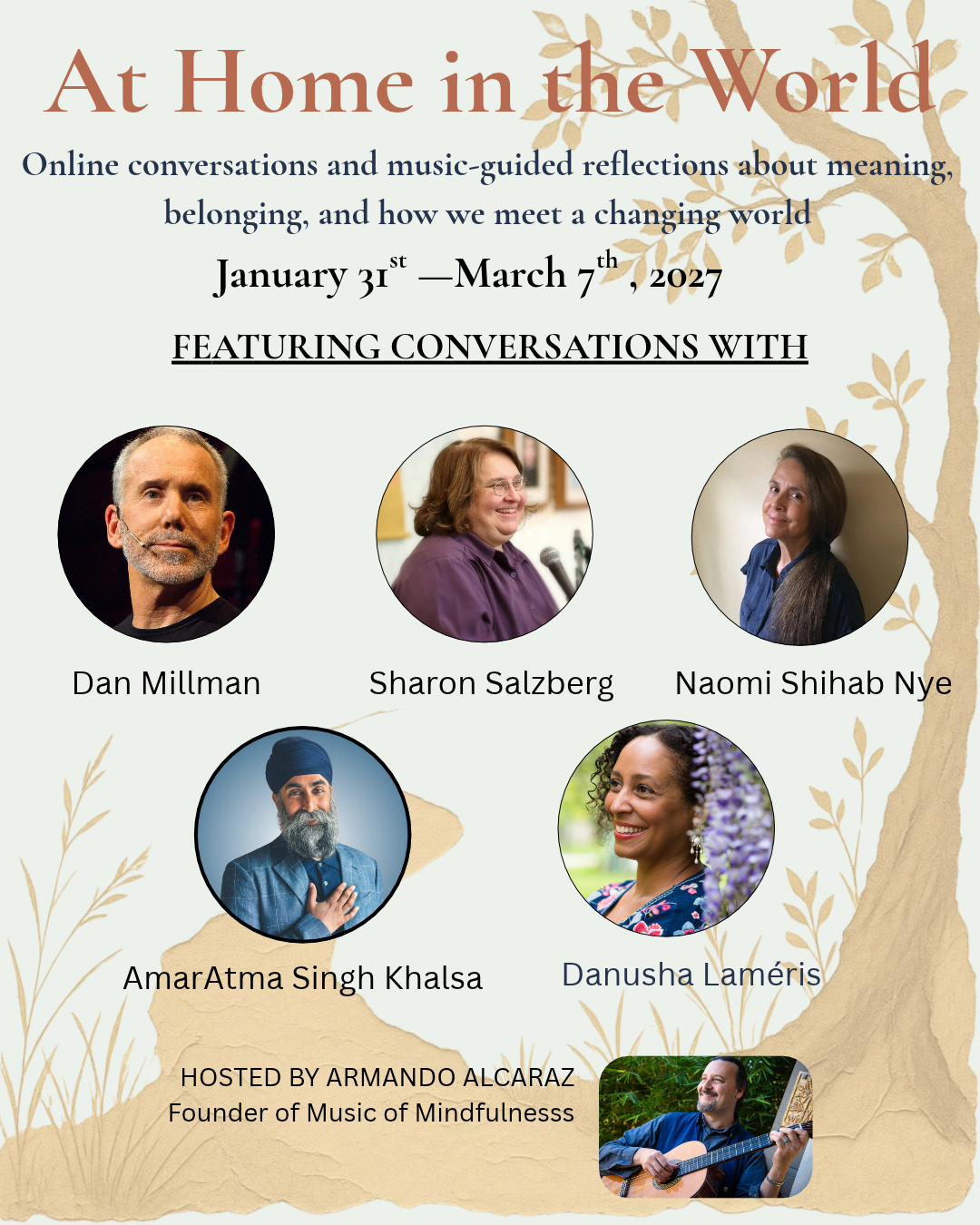
Upcoming Guests in our Litfield Community
LEARN MORE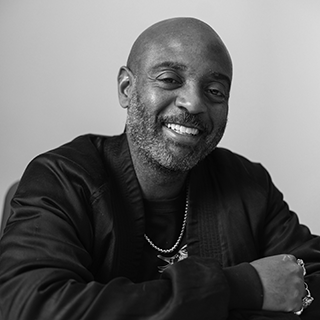
Reginald Dwayne Betts
Reginald Dwayne Betts is the author of the poetry collections Doggerel (W. W. Norton, 2025); Redaction (W. W. Norton, 2023), with visual artist Titus Kaphar; Felon (W. W. Norton, 2019), winner of a 2020 NAACP Image Award and an American Book Award; Bastards of the Reagan Era (Four Way Books, 2015); and Shahid Reads His Own Palm (Alice James Books, 2010), which won the 2010 Beatrice Hawley Award.
Betts is also the recipient of a 2019 Creative Writing Fellowship from the National Endowment for the Arts. He was an Emerson Fellow at New America, and is a PhD candidate at Yale Law School. He lives in New Haven.
Dean Rader
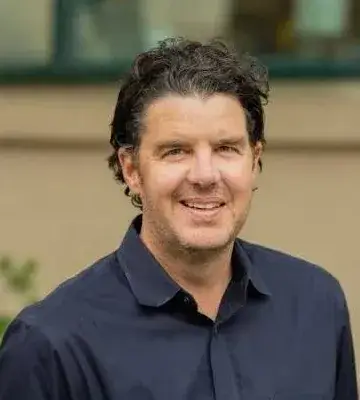
Dean Rader is an award-winning poet whose work explores identity, sustainability, art, and global change. His debut collection, Works & Days (2010), won the T.S. Eliot Prize for Poetry, while Landscape Portrait Figure Form (2014) was named a standout poetry book of the year by the Barnes & Noble Review. His poetry has appeared in Best American Poetry 2012, and his widely shared poem “America I Do Not Call Your Name without Hope” was published by the San Francisco Chronicle in 2016.
His most recent collection, Before the Borderless: Dialogues with the Art of Cy Twombly (2023), pairs his poems with Twombly’s artwork and was praised by the Los Angeles Review of Books as “stunning.” Rader’s achievements have been supported by fellowships from Princeton, Harvard, Art Omi, the Headlands Center for the Arts, and MacDowell.
Rader was raised in Weatherford, Oklahoma. He earned a BA at Baylor University, as well as an MA and a PhD in comparative literature from the State University of New York at Binghamton. He is a professor at the University of San Francisco, and he lives in San Francisco with his wife and two sons.
Kelli Russell Agodon
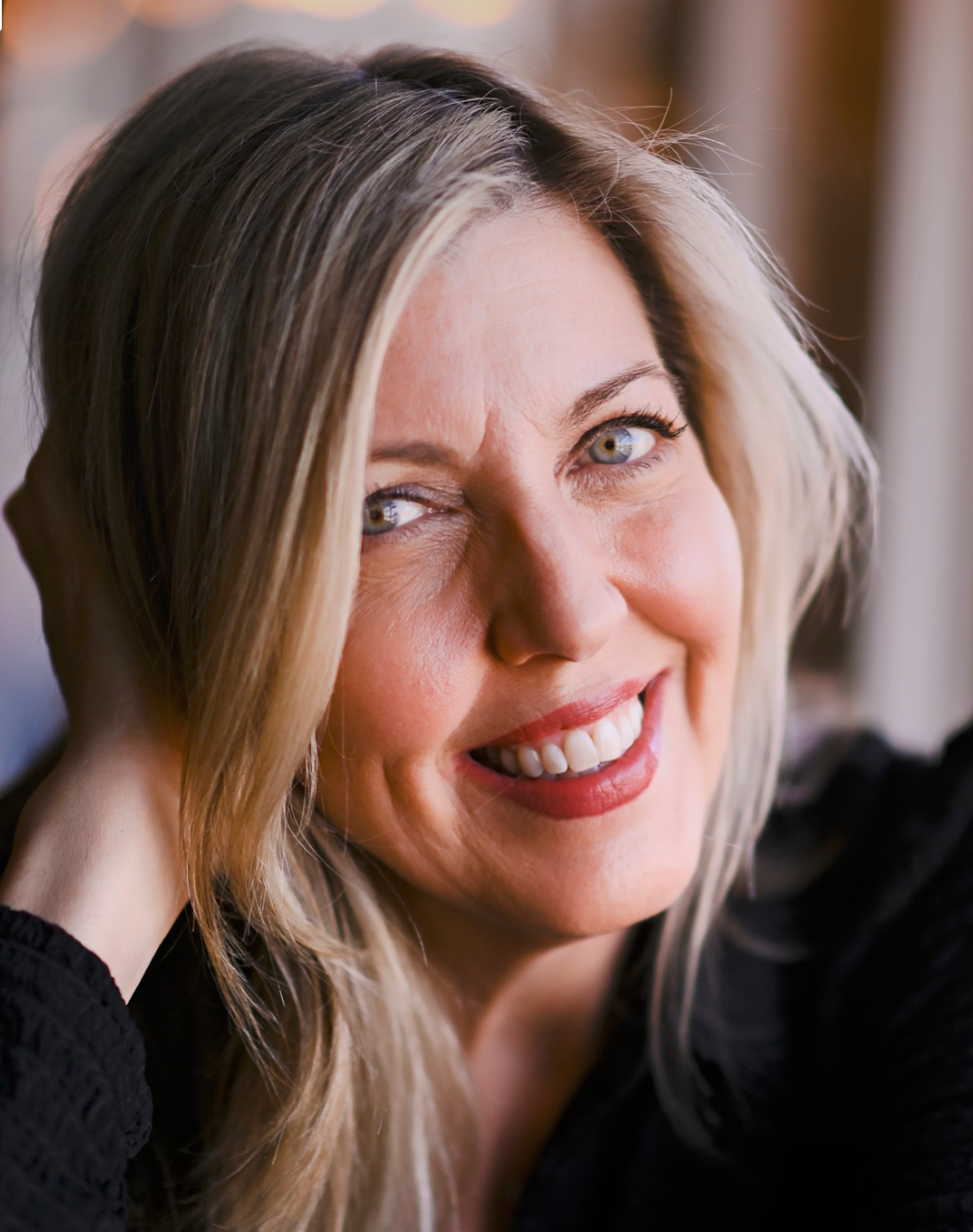
Kelli Russell Agodon is the author of four collections of poems, including the award-winning Dialogues with Rising Tides (Copper Canyon Press, 2021), Hourglass Museum, and Letters from the Emily Dickinson Room, Foreword INDIES Book of the Year for 2010,and a Top 10 GoodReads Best Books of the Year in Poetry. Her newest poetry collection, Accidental Devotions, was just published by Copper Canyon Press. It's a book full of spirits and spirituality, desire and grief, smartphones and Emily Dickinson with poems that ask—what do we accidentally give our attention to? Kelli is the author of five books of poetry and the cofounder of Two Sylvias Press. She teaches in Pacific Lutheran University’s low-residency MFA program, the Rainier Writing Workshop, and cohosts the poetry series Poems You Need with Melissa Studdard. Kelli lives in a small seaside town in Washington State, where she writes poems, paddleboards, and occasionally keeps company with the ghosts.
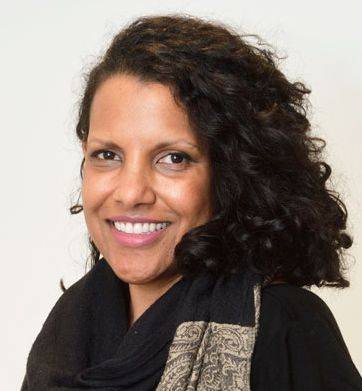
Jamaica Baldwin
Jamaica Baldwin (she/her) is a poet and educator originally from Santa Cruz, CA. Her first book, Bone Language, was published by YesYes Books in June 2023. Her work has appeared in Guernica, World Literature Today, The Adroit Journal, Prairie Schooner, Poetry Northwest, and The Missouri Review, among others. Her accolades include a 2023 Pushcart Prize, a National Endowment for the Arts Fellowship, a RHINO Poetry editor's prize, a Glenna Luschei Prairie Schooner Award, as well as the San Miguel de Allende Writer's Conference Contest Poetry Award.
Jamaica has also served as a community based teaching artist with Writers in the Schools - Seattle, Louder Than a Bomb - Great Plains (an affiliate of Nebraska Writers Collective), and taught a generative writing workshop for women in Guatemala. Her writing has been supported by Aspen Words, Storyknife, Hedgebrook, Furious Flower, and the Jack Straw Writers program. Jamaica has a PhD from the University of Nebraska -Lincoln in English with a focus on poetry and Women's and Gender Studies and she is currently an Assistant Professor in the Department of Writing at Ithaca College in New York.